 Reviews

 Proudly American
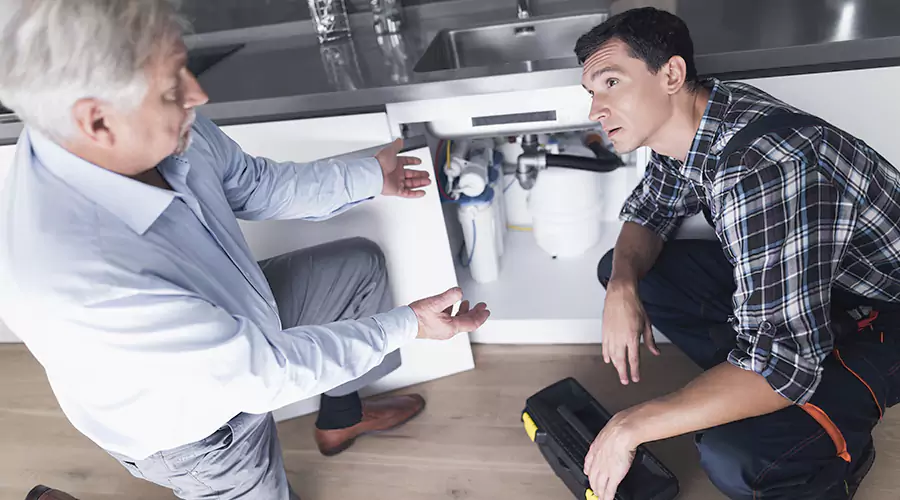
Access to clean, safe water is essential for every household, supporting daily activities such as drinking, cooking, bathing, and cleaning. However, many homeowners experience water quality issues that can affect health, plumbing systems, and overall comfort. These problems often develop gradually and may go unnoticed until stains appear, appliances lose efficiency, or unusual tastes and odors become noticeable.
Understanding common water quality concerns, their causes, and available solutions helps homeowners protect both their families and their properties while maintaining a reliable and healthy water supply.
Common Residential Water Quality Issues
Water quality problems may result from natural mineral content, aging infrastructure, or environmental factors. The most common concerns found in residential neighborhoods include:
Hard Water
Hard water contains elevated levels of calcium and magnesium, which can lead to:
- Mineral buildup in water pipe installations, faucets, and showerheads
- Reduced efficiency of appliances such as dishwashers, washing machines, and water heaters
- White or chalky residue on sinks, tiles, and fixtures that is difficult to remove
Over time, hard water can significantly impact both plumbing performance and appliance lifespan.
Iron and Manganese
Elevated iron or manganese levels often cause noticeable cosmetic and functional issues, including:
- Rust-colored or dark stains in sinks, bathtubs, toilets, and laundry
- Metallic taste or unpleasant odor in drinking water
- Gradual pipe clogging and reduced water flow due to mineral deposits
Chlorine and Disinfection Byproducts
Municipal water supplies are commonly treated with chlorine to eliminate harmful bacteria. While necessary for safety, chlorine can:
- Create a strong chemical taste or odor
- React with organic matter to form disinfection byproducts
- Contribute to dry skin, eye irritation, and hair damage during bathing
Sediment and Particulate Matter
Sediment from aging pipes, water mains, or supply lines may result in:
- Cloudy or murky tap water
- Increased wear on plumbing fixtures and appliances
- Clogged aerators, showerheads, and valves that reduce water pressure
Microbial Contamination
Occasional bacterial or microbial contamination can present serious concerns, such as:
- Health risks including gastrointestinal illness or skin irritation
- Biofilm buildup inside pipes, affecting water quality and flow
- Increased need for advanced filtration and ongoing system maintenance
How Water Quality Affects Plumbing Systems
Water quality directly impacts the performance, durability, and maintenance requirements of plumbing systems:
- Hard Water: Causes scale buildup inside copper and PVC pipe installations, restricting flow and reducing pressure
- Sediment and Minerals: Accumulate in valves, fixtures, and drains, increasing wear and blockage risks
- Corrosive Water: Low pH or acidic conditions can corrode metal pipes, leading to leaks and premature failure
- Microbial Growth: Biofilm formation inside pipes can compromise water safety and plumbing efficiency
Poor water quality increases maintenance costs, shortens appliance lifespan, and raises the likelihood of unexpected plumbing repairs.
Signs Your Home May Have Water Quality Issues
Homeowners should remain alert to common warning signs, including:
- Unusual taste, odor, or discoloration in tap water
- Brown, red, or white stains on sinks, tubs, toilets, or laundry
- Reduced water pressure or frequent clogging of fixtures
- Frequent need to descale water heaters and appliances
- Skin irritation, dryness, or brittle hair after bathing
Solutions for Maintaining Water Quality
Several effective solutions can improve water quality while protecting plumbing systems:
Water Filtration Systems
- Point-of-use filters for drinking and cooking water
- Whole-house filtration to remove sediment, chlorine, and select contaminants
Water Softeners
- Reduce hardness caused by calcium and magnesium
- Protect water pipe installations and extend appliance lifespan
Regular Plumbing Maintenance
- Inspect pipes, fixtures, and valves for scaling or corrosion
- Clean aerators, showerheads, and filters regularly
- Schedule professional inspections to detect hidden buildup
Professional Water Testing
- Identify chemical, mineral, and microbial contaminants
- Provide accurate treatment recommendations
- Ensure household water meets safety standards
Why Hire a Professional Plumber
A licensed plumber plays a critical role in managing water quality concerns by:
- Evaluating existing pipe installations for corrosion, scaling, or biofilm
- Recommending and installing appropriate filtration or softening systems
- Performing routine maintenance to prevent long-term damage
- Providing expert guidance on water safety and system efficiency
Professional expertise ensures water quality solutions are correctly selected, installed, and maintained.
Conclusion
Understanding residential water quality issues is essential for homeowners who prioritize health, plumbing efficiency, and long-term property protection. Problems such as hard water, mineral buildup, chlorine residue, sediment, and microbial contamination can quietly damage pipes, reduce appliance performance, and affect daily comfort.
Addressing these concerns early through water testing, filtration systems, softeners, and professional plumbing maintenance helps prevent costly repairs and ensures a dependable water supply. Professional plumbers can assess water conditions, recommend effective treatment solutions, and protect copper or PVC pipe installations from premature wear—supporting clean, safe water throughout the home.